Is the Perfect Coffee Recipe Possible?
Which Types of Coffee are Generally Preferred?
Turkish coffee, v60 style, french press, kalita, aeropress and espresso based coffees are the most popular and widely known types of coffee. It is a fact that each coffee has its own unique flavors and notes. In this sense, the french press technique is good for making good coffee from bad coffee. If I have good coffee beans, I prefer pressurized techniques or cold brew techniques that require long contact. Aeropress, moka pot and espresso are good choices. Coffee brewing techniques that allow us to get the notes of quality coffee allow me to make the best use of both budget and taste.
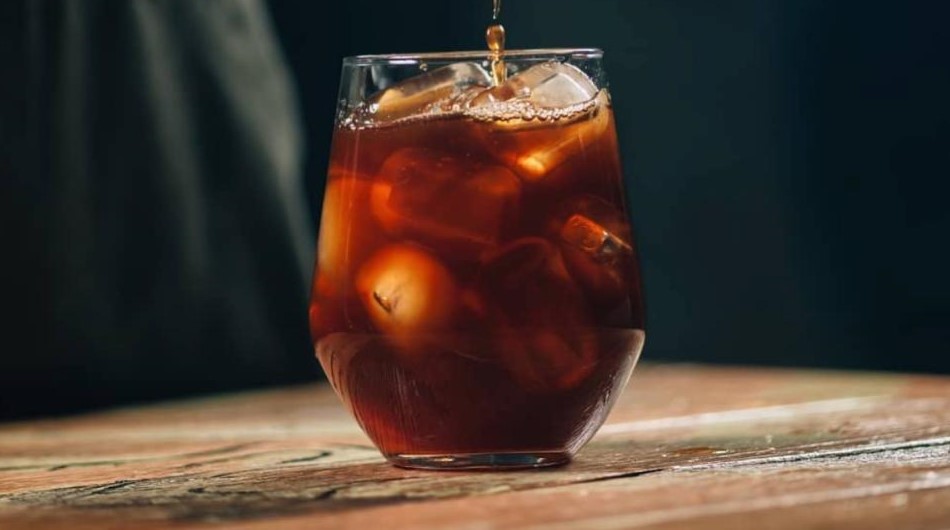
Cold brew and cold drip are generally preferred in summers, but I'm still a fan of all seasons. Another method I use in summers is the V60 technique combined with ice balls. In this technique, the coffee is brewed as usual, but the water cubes in the glass help us to get a summer-appropriate coffee. The Japanese have a name for this technique — Japanese ice filter coffee.
The general problem with iced filter coffees is that during the cooling process of hot brewed coffee, the ice melts and disrupts the coffee water ratio. Unfortunately, it is a bit difficult to control this. While it would not make sense to filter a coffee and then cool it down, a good solution would be to dilute dense coffees such as espresso with ice cubes and drink it as an Americano, or to use the techniques of our Japanese brothers. Shaped ice molds that can be bought and produced at home add a different dimension to the presentation.
Of course, you can prefer cold brew to hot brewed and cooled coffee. In a brewing technique where you leave the coffee for 8-12 hours or longer, the success of the coffee in providing aromatic flavors and more intense flavors called root flavors should not be underestimated. Isn't it?
Everybody needs a piece of equipment!
There are some essential equipment for making coffee at home. These (depending on preference): V60, kalita, moka pot, aeropress, French press and coffee grinder. Preferably comandante.
How expensive is your equipment? Are they really worth the price?
Hand Grinder
Hand grinders are a must. The reason why we buy a hand grinder and grind our coffee at home instead of using instant ground coffee is that the volatile aromas in the coffee are quickly removed from the coffee and the quality of the coffee is reduced by the ground and packaged products. When the coffee bean increases its surface area and starts to take oxygen from this area and loses its essential oils, the value of the coffee bean decreases. For this reason, coffees prepared with a hand grinder at home offer both a good drink and a pleasant experience.
Comandante is arguably the best of the hand grinders, and this is a good investment. When you buy a good hand grinder, you will continue to use it for many years without compromising on quality. Quality generally refers to the quality of the blade inside the hand mill. Unfortunately, the blade deforms over time and the coffee beans are difficult to grind, which has a bad effect on the quality of the drink. Since the heated blade will not give the same quality every time and will provide an extra heat transfer to the coffee, ceramic products may let you down in successive coffee shots. In this sense, products with nitro steel blades, such as the comandante, are specially designed for this purpose and give good results, making them among the best in the world.
For small grain shots the value of the hand mill is somewhat diminished. The main issue with good hand grinders is that they can still give a constant output as the grain size increases. Poor hand grinders are not able to extract the same level of grains from large grain coffees such as filter coffee. While good hand grinders can produce consistent results at the set size, the difference in the size of the ground grains in poor quality hand grinders can cause your coffee to be over or under extracted. So bitter or diluted flavors...
V60
Although the V60 was originally made of ceramic, the silicone V60s have their advantages. The ceramic v60 is a pain to heat up and can also break. I think plastic is much more advantageous than ceramic because it heats up faster and reaches the required temperature sooner and also because it doesn't break easily. Copper v60s are also a choice and the most beautiful of all, but the problem is that they are very expensive.
Which brewing style brings out which flavors better?
I have a very aromatic coffee and if I have time, I like the coffee brewed in V60. I like the V60 technique even though it is quickly affected by the height at which you pour the water and the changes in the temperature of the water. If you want to be in control, kalita may be a better choice because in techniques like kalita, such changes do not change the taste of the coffee so much. In this sense, it allows me to get a stable result.
In every brewing method, the problem of channeling can arise
Channeling is when water finds a shortcut and flows through it. It is a phenomenon where the water flows where it finds it easiest, instead of touching all the coffee pieces, resulting in the coffee not being sufficiently filtered and often giving the impression of a diluted coffee. This can occur during the blooming stage.
What is Blooming?
Blooming is observed as the rising of coffee when it comes into contact with hot water and the release of bubbles. If we get a little technical, it can also be defined as the release of carbon dioxide (CO2) gases trapped in the coffee beans during roasting, which quickly form bubbles when they come into contact with hot water.
If nothing happens during blooming, your coffee is probably not fresh or may have been stored in poor conditions. When blooming, we expect the CO2 gas to run out in the first 20 seconds. The earlier the better, of course. After waiting for a while, more water is poured over the coffee in the second pour and the water is expected to touch everywhere. If gas is still coming out despite this, it means that the gas output does not end during blooming, that is, there are canalizations on the surface.
Do you have your own special recipes or favorite coffee/water ratios?
For filter coffee, 15g water per 1g coffee. For French press, 15g of water per 1g of coffee. This ratio may also depend on the coffee bean. The origin and roast of the coffee are important points.
Although I do not have my own special recipe, I try to drink the best coffee by trying the ratios of famous coffee gourmets and coffee forums. The coffee usually needs to be filtered in 2 minutes and 15 seconds. If it takes 2 minutes and 30 seconds, I usually increase the setting of the hand grinder by 1 step and try to finish it in 2 minutes and 15 seconds. When I try a coffee for the first time, I usually cannot drink a good coffee because this setting depends on the coffee itself. This is an important detail.
What do you think about the new generation of coffee shops?
I generally have a positive opinion about 3rd generation coffee shops, but we usually face exorbitant prices for good coffee. To be fair, high coffee prices are also a big factor. I can usually find good coffee, but not in every coffee shop. Usually, non-local coffee shops compromise on the quality of their coffee in order to appeal to a lot of customers. This makes me more inclined towards local coffee shops.
Epilogue
Science is always illuminating our path in coffee. Each brew is actually an experiment. When I look at the equipment, I already have the feeling of a chemistry laboratory. It is very likely that a coffee experience with a well-learned theory will give good results in the laboratory. Each experiment lays the groundwork for the next one, and as a drinker who aims to get better every time, my interest and desire for coffee remains as excited as ever.
"If I have seen further than others, it is by standing on the shoulders of giants."
— Isaac Newton
In other words, it is possible to get better observations and experiences by following and studying other scientists, people who know about these things and gourmets.
Useful Links
- James Hoffmann - V60 Ultimate Technique
- James Hoffmann - French Press Technique
- James Hoffmann - AeroPress
- James Hoffmann - Cold Brew